+91-9830330809 / +91-9830050132

How Graphic Novels and Manga Are Reshaping YA and Adult Markets

Graphic novels and especially Manga are taking over the world and if you are an illustrative author, then you have probably noticed its influence far and wide.

The Manga industry is rewriting comic book publication and the young adult audience as well as the millennial audience are completely engaged in this category of publication.

Today, we will try to understand how this phenomenon is taking shape and why you should also invest in something like this but indigenous and something of your own that has the potential to become just as popular.

In order to start understanding this, we need to understand the sudden craze of graphic novels as well as Manga.

A Craze Decades in the Making – Graphic Novels and Manga
Graphic Novels and Manga

See, graphic novels have always been there from the time of the Superman comics to all the older graphic novels you can think of but the last two decades completely changed how we look at graphic novels.

This is because we got introduced to novels such as Art Spiegelman’s Maus, Marjane Satrapi’s Persepolis, and Alison Bechdel’s Fun Home that redefined how these graphic novels are able to handle complex themes such as identity, as well as drama and war and even sexuality.

This led them to help graphic novels reach critical acclaim.

Speaking of critical acclaim, you already know how popular Japanese comics are. They not only have created an explosion of popularity of their style and genre outside of Japan but they have also resulted in other forms and styles being inspired by Manga and becoming popular.

When we think of Manga, we can already think of at least two or three very popular comics, even if we are not Manga readers. Series like Naruto, Attack on Titan, and My Hero Academia come to mind when it comes to this publishing revolution, which has also resulted in the creation of multiple TV shows and movies.

Manga actually has ancient roots and can even be traced back to the 12th Century in the form of series depicting sequential images and caricatures, which then evolved during the Meiji restoration period and the post-war and then the Golden Age.

Manga was always imbibed within the Japanese culture; it just started becoming global from the 2000s and we can’t seem to have enough of it.

This level of popularity for illustrative novels in the form of graphic novels and Manga is here to stay and it’s only going to get bigger and more popular with time. It is only logical that any talented illustrative author should venture into this direction and take inspiration from graphic novels and Manga.

Why YA Readers Embrace Graphic Formats
YA Readers Embrace Graphic Formats

A Visual Generation

This is a visual generation because this generation is raised on short videos and long-form videos on YouTube and Instagram, as well as TikTok and others.

This is the generation that does not read conventional books but would rather watch a movie or a TV series for entertainment.

That is why this generation is accustomed to visual forms of entertainment that matches with their surroundings and their way of thinking in the form of instant gratification in the visual medium.

That is why graphic novels and Manga are a perfect fit to help tell stories to this generation in the form of emotionally resonant and relatable situations.

Illustrative novels, such as graphic novels and Manga, blend in traditional storytelling in the form of text with images so that the text becomes much more immersive and in line with what this generation is used to.

Diversity in Stories and Storytellers

People love relatability and people love inclusion and representation and that is exactly what graphic novels and even Manga, to some extent, are bringing to the table.

Since the evolution of illustrative novels is a global phenomenon, you have storytellers from every corner of the earth trying to represent their culture and their experiences and this is where the relatability factor comes into the picture.

The newer YA audience is going to read something and engage with something that is similar to what they understand and what they can relate to.

Engagement Over Obligation

Not everyone can read pages and pages of text because not everyone has the same level of focus and attention in order to keep on reading simple text for hours and complete books hundreds of pages long.

Unfortunately, these people belonging to the young adult audience have to go through this gruelling task at school and colleges and universities with no other option.

That is where graphic novels and Manga form an escape from this very serious, text-heavy obligation they have to pursue academically. This combination of visuals and dialogue helps these young readers engage with character development and plot lines much more easily, without being overwhelmed,  the images being like a guide for them.

Cross-Genre Experimentation

The YA audience loves experimentation and the graphic novels, as well as Manga, are all about experimentation and the combination of different genres and subjects, bringing new life to old topics as well.

Manga audiences all over the world are embracing new books and this forms a sort of encouragement for authors to experiment even more.

Graphic novels and Manga had the perception of just being comic books but that is not the case because authors are now almost blurring the lines between comic and novel, as well as film script, in the best way possible.

Literary Acceptance

Graphic novels and Manga are being accepted and embraced all over the world by all kinds of publishers as serious pieces of literary work.

Publishers are encouraging authors to submit visual novels and graphic novels are no longer being seen as literature just for kids.

This is also accelerated by the fact that Manga started becoming popular when millennials were kids and now that they are in positions of authority in different publishing companies, they understand exactly the kind of power Manga has to tell stories.

So, we now hope you understand the impact Manga and graphic novels have on the adult and young adult audience.

That is why if you are an author as well as an illustrator with experience in graphic novels and if you would like to explore this genre and bring new life to it through your own stories, then we are here for you.

We are Orange Publishers and we are one of the most acclaimed and reputed publishing companies in India with a great deal of experience in publishing graphic novels and illustrative works.

We welcome you to reach out to us and publish your very own graphic novel or Manga.
 

What Editors Really Look for in a Manuscript: An Insider’s Guide

Traditional publishing is difficult and can be the holy grail for writers looking to start their careers and create history.

In this process of creating history, they need to complete their book and edit it into a manuscript which is then sent out to different publishing houses.

The next stage of the process is that these publishing houses shortlist some of these manuscripts which are then passed on to the editorial team and finally to the chief editor upon which they decide if they want to go through the manuscript and turn it into a book.

After which the author of the book is contacted and a book deal is reached where technical details such as royalty agreements and other contracts are signed.

The most difficult stage of this entire process is convincing the editor that your manuscript is worthy of publishing.

The reason why this is so difficult is simply because book publishing companies and especially publishers that operate in the traditional model receive hundreds of manuscripts each month or even each week.

Among those only the best are chosen and there are a lot of general parameters and key indicators that editors look for and a lot of specific parameters that are individual to each publishing company.

Today we are going to talk about all the general key indicators that editors usually look for in a manuscript.

Key Indicators Editors Look for in A Manuscript

Editors Look for in A Manuscript

A Clear, Compelling Hook

One of the most important elements of a book is going to be a hook and it is basically what it sounds like, something that gets the reader hooked to the story so that they continue with the story.

This element is usually present at the beginning of the manuscript as well as in other areas of the manuscript such as in the prologue or introduction or some other place that gets noticed fast.

If that is missing then that might be a problem because a hook is a powerful opening line and usually a paragraph that determines the success of a book.

Strong Voice and Consistency

One of the other most important key indicators that editors look for throughout the manuscript is going to be a strong voice and consistency of voice that stays even throughout the book.

This means that the characters should be consistent in their actions so that they feel distinctive.  Apart from that, a strong voice should be a tone that matches the subject.

If this kind of consistency is not maintained then the flow of the manuscript gets ruined and you do not want that.

Narrative Structure and Pacing

The manuscript should have a clear narrative structure that is solid and editors look for that. The narrative structure should build over time as tension gets built and satisfies the narrative expectations.

This is something that is one of the most looked-for indicators because if you do not have a clear arc in the form of a clear beginning middle or and then your script might get rejected.

A Fresh Perspective

Perspective is something that you cannot compromise on and especially if you want your manuscript to catch the eye of an editor. You must understand that editors go through countless manuscripts of the same theme and genre so they have an extensive idea about topics.

If they feel that your topic is not unique and that it is not a new take then it will get rejected.  That is why ideas with a new cultural or even political lens have a high chance of getting accepted as well as ideas where a character presents a new kind of story and outlook is definitely going to work.

Technical Competence

Your manuscript, if selected, is going to be part of an economic endeavour that is professional in nature and this means that the technical aspect of the manuscript should have a professional level of polish to it.

This means you simply cannot have grammatical mistakes or punctuation errors or even problems with the syntax.

However, sometimes typos get into the best of manuscripts and you can get away with a few but they should be minimal with minimal formatting issues.

Speaking of formatting, your manuscript should have impeccable formatting such as double spacing, standard font and all the other usual stuff.

Market Fit

A book is ultimately a product that is going to be sold at a market which means that this product or the manuscript should be a fit for the market.

You must understand that every publisher has their own set of choices of themes and genres that they publish and that go well with their brand.

That is why you should keep that in mind while submitting your manuscript. This is because even if your manuscript is good, it can get rejected if it does not fit into the market gap that the publisher is looking for so you must do your own research too before approaching a publisher.

This is simple market economics because you are a seller in this case and if the buyer does not have a demand for your product, then you cannot sell it to them.

Originality

It goes without saying that one of the most important if not the most important key indicator that determines the selection of your manuscript with a publisher is going to be originality.

If the publisher finds even a shred of evidence that your work is not original, it will get rejected and might not even make it to the chief editor and get rejected in the process.

However, one of the mistakes new writers make is that they go too far with it and they create something very obscure without clarity in the hopes of keeping it original.

If you go too far with that then again, your manuscript will get rejected because if the reader cannot understand what you are trying to say then nothing else matters.

A Professional Attitude

Ultimately the editor is not only looking for a good quality manuscript but they are also looking for an author with substance and someone who is polite and concise as well as professional, someone worthy of collaborating with and starting a professional relationship with.

Editors look for authors with a professional attitude and they look for authors that respect the guidelines and make the effort to ensure proper formatting is maintained throughout the manuscript.

Editors do not like flattery or desperate pleas from the author because they are looking for a professional partner in their economic endeavour and not someone who is immature.

We hope this blog has helped you understand what editors actually look for when they are selecting a manuscript to be published in a traditional publishing model.

The truth of the matter is that publishing anything in a traditional publishing model is quite difficult and even if your manuscript has everything that it needs to be selected, chances are it will get rejected.

This is simply because a traditional publishing company does not have the bandwidth to accommodate every manuscript that comes through the door because they can only publish a certain number of books.

If you want to ensure your book gets published and you do not want to go through the headache of trying to appease an editor then the self-publishing model is the best for you.

However, some might argue that the self-publishing model is just not reliable enough and that is where you need a publishing company with the experience and foothold of a traditional publisher but with the convenience of self-publishing.

That is exactly what we are. We are Orange Publishers and we are a legacy publishing company with the convenience of self-publishing and we can help you publish your book in the most convenient way possible.

We welcome you to visit our website and check out more details.


Why Readers Are Choosing Shorter Books – Let’s Find Out

We are officially living in the era of short attention spans where the most popular kind of content is short format videos on social media.

That is why it is not really a surprise that the average attention span of a book reader is reducing by the day and we are seeing a trend of readers choosing shorter books intentionally.

This is also sparking the phenomenon of authors choosing to write shorter books that can be finished within hours instead of days.

write shorter books

source

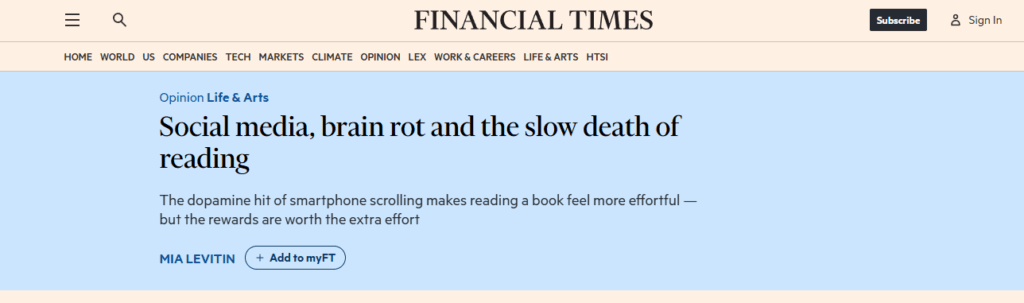
In fact, A Financial Times piece highlights concerns about “brain rot” from social media and screens pushing people away from long-form reading and universally reducing their attention spans.

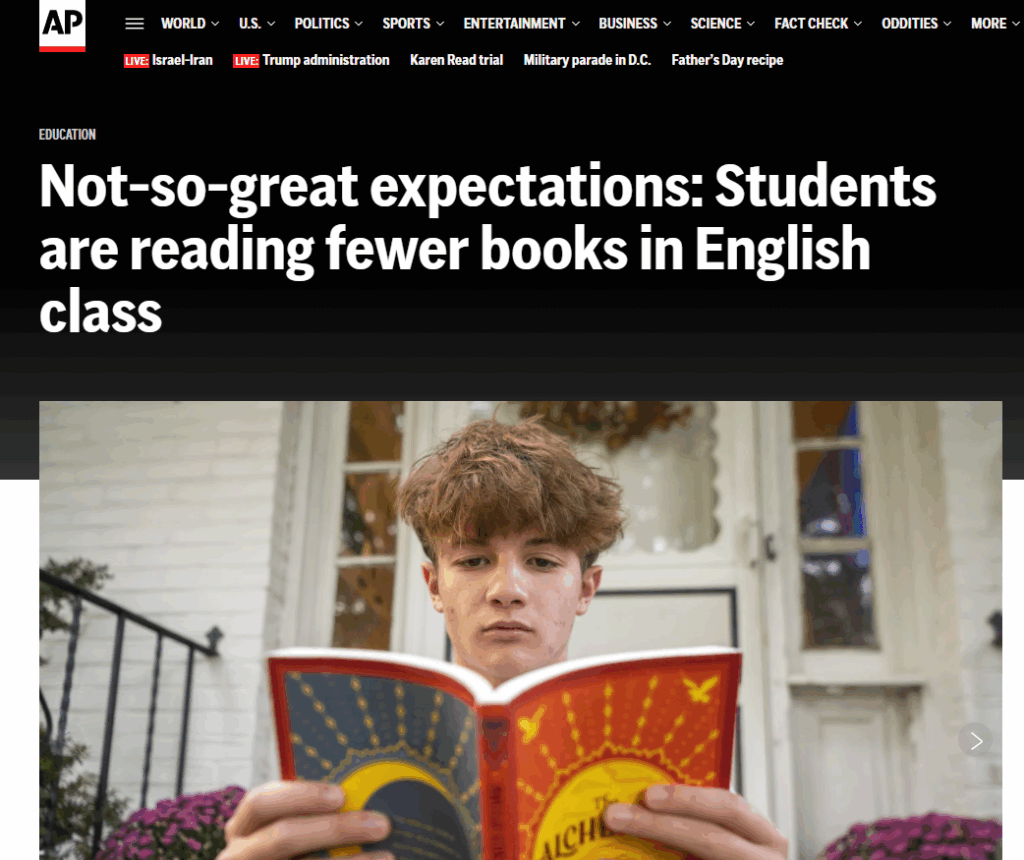
This kind of reading phenomenon can also be noticed in academics as students are reading fewer books in English classes.

academics as students

source

According to this report, this student by the name of Chris and many other students simply did not finish reading any book in class 8 simply because their Google classroom assistant had detailed summaries of each book making reading the actual book redundant.

So, why is this the case?

We are here to find that out once and for all and help you understand this dynamic shift in reading patterns and how this is affecting authors all over the world and even shaping books for the future.

Reasons Why Readers Are Choosing Shorter Books

Shorter Books

Time Constraints

Today’s modern life is very fast-paced and this means that you simply do not have the time to read for a few hours each day.

The average modern person has to balance work and life as well as social obligations and family responsibilities and even interact with social media during that time.

If you add all that up then reading a book is simply something that most people choose not to do for more than one hour. You might find it quite difficult to look for a reader who spends more than an hour reading books.

That is why readers consciously choose to pick up shorter books because it will be over sooner and this will provide the readers with an enjoyment of completing in narrative and exploring a topic and finishing it within a matter of days.

However contrary to popular belief, audiobooks have stayed the same in duration because people can listen to audiobooks while doing other things such as driving or cooking or doing household chores. We will talk more about this in the next point.

Rise of Digital and Audiobook Platforms

We are seeing the exponential growth of digital and audiobook platforms in the form of Apple Books as well as Kindle Singles and even the very popular Audible and even Blinkist.

These formats of consuming books are just more practical for the modern person because they can now continuously listen to an audiobook for more than an hour while doing other things such as going to work or exercising.

Reading a book during that time might be quite difficult but listening to an audiobook would be not only very convenient but in some cases cheaper and more practical than physical paper books.

The thing is when people listen to audiobooks it is the same as reading a book and that is why you still have books in the traditional large sizes coming out in audiobook and digital versions because the reading shorter book trend simply does not work with digital and audiobook platforms, people are happy with longer books when it comes to digital formats.

Social Media and Changing Attention Spans

With the rise of short-format content, you have readers accustomed to digesting information in shorter bursts.

An average short video on social media platforms such as Instagram and YouTube Shorts can range from anything between 15 seconds to 30 seconds.

Now imagine a brain conditioned for something like that would find it very difficult to consume information in text format for hours and hours. People still like books and there is still gratification in reading books but the short attention span of people is directly affecting the size of books.

A Sense of Accomplishment

Like we said finishing a book still feels good and will always feel good and that is one of the primary reasons people complete books.

Now imagine if people get to feel that accomplishment faster and that is exactly why people are now choosing shorter books that will enable them to feel that accomplishment much faster.

This sense of accomplishment of finishing a book faster is also tied to other accomplishments such as finishing a web series and that is why readers now equate books to other formats of information and entertainment.

Broader Range of Topics and Voices

Short-form books are sometimes experimental and authors choose to experiment in this kind of format because it is simply not practical to experiment long format that can take a significantly longer time to create if it’s an experiment.

That is why we are seeing the popularisation of short format books as emerging authors are writing about niece topics and unconventional genres which readers are picking up and enjoying.

This is where they are able to finalize their ideas and decide whether to pursue something longer and these short format books feel like exclusive releases which readers love.

Minimalism and Intentional Living

There is this rise in the minimalist lifestyle that has gained popularity which emphasizes simplicity and in accordance with this kind of lifestyle people prefer reading shorter books.

This philosophy has changed the reading habits of people and that is why many readers now prefer books that deliver value at a smaller size.

We hope you now understand why authors are choosing to write shorter books and why readers are choosing to read shorter books.

One of the most important things to understand is that as authors and publishers, we must respect the preferences of readers and that is why if you are planning on writing and publishing a short format book then we are here for you.

We are Orange Publishers and we are one of the most reputed and acclaimed publishing companies in India an extensive experience in publishing all formats of books including shorter-sized books as part of experimental novels.

Along with that, we do every other kind of traditional book publishing whether it is novels, children’s books or autobiographies and much more and we welcome you to visit our website and check out everything we do.


The Rise of Zero-Waste Book Production: Myth or Reality?

The publishing industry is continuously changing and evolving and we are seeing the rise of a new phenomenon in the form of zero waste book production.

This can be interpreted multiple ways and it can be completely about not printing any physical books and that would truly be zero waste book production.

But we are not talking about that. We are talking about traditional book publishing in the print medium and keeping it is zero waste or minimal waste at the same time.

In this blog, we are going to find out how climate consciousness and the need for sustainability are slowly but surely entering the book publishing market and how book production is undergoing a very amazing change and leading the way when it comes to sustainability.

This is a natural progression and you will find it quite interesting to check out of this progression on how different traditional book publishing companies are cutting down on waste.

So, before we look at how publishers are cutting down on waste, we need to understand how this waste is generated in the publishing industry.

Understanding Waste in Traditional Book Production

Understanding Waste in Traditional Book Productio

Overproduction

One of the biggest sources of wastage in the publishing industry is the overproduction of books and this usually happens when the author or the publishing company sets a wrong estimate of how the book is going to perform.

There is practically no accurate method of calculating how a book is going to perform and that is why overproduction might be an issue from time to time.

This can happen to any publisher and any author. In fact, this even happens to very popular bestsellers their readers might be more interested in other formats such as audiobooks or ebooks.

Paper Waste

There is a lot of paper wastage in any publishing process because, during the printing process, there might be misprints and other issues that are simply going to waste paper.

Apart from that take any book and it is generally going to produce some paper waste because of the process of trimming the book so that it looks nice and making the rough edges smooth.

Apart from that you also have things like test prints which will never make it to the readers and can be basically considered as wastage.

Ink and Chemicals

While publishers try to improve the quality of materials and chemicals utilized in printing they can only do so much because certain compositions of chemicals are not really the best for the environment.

However, you cannot substitute that for something organic and eco-friendly because that may not produce the best quality of print and might not even last a long time.

This is the balance publishing companies have to go through because they have to balance quality and sustainability at the same time and so utilising these chemicals can leave behind harmful residues.

Energy Use

The creation of a single book can take up a lot of energy because you need to understand the process a book goes through.

The printing press needs to run a lot of machines in the printing of the book and that takes up energy. Apart from that you are also spending energy in shipping the books and also storing them in warehouses that need to have systems to prevent humidity from accumulating.

And the process of utilising energy is not always 100% efficient so you can expect wastage here.

Returns and Pulping

The biggest form of energy wastage and wastage of materials, in general, can be in the process of returns and pulping. When unsold books are returned, you need to recycle all that paper into something that can be printed on again.

During that process, you need to spend a lot of energy and convert that printed paper into raw paper. Additionally, you have just wasted all the energy that was primarily utilised in creating the book in the first place.

What Does “Zero-Waste” Book Production Really Mean?

Zero-Waste Book Production

Zero waste book production is basically utilising methods in order to minimise wastage and minimise environmental harm across the life cycle of the book.

You can do that in multiple ways and utilise techniques during the production process to the distribution process and even in the storage or disposal process of books.

Some of these steps can include:

  • Sustainable paper sourcing
  • Eco-friendly inks and printing methods
  • Efficient production models (e.g., print-on-demand)
  • Recyclable or biodegradable packaging
  • Minimal energy consumption and carbon emissions
  • Circular business models for returns and reuses

Technologies and Practices Leading the Change for Zero Waste Publishing

Zero Waste Publishing

Print-on-Demand (POD)

POD is a very recent phenomenon and a practice that is probably the most significant when it comes to reducing wastage.

Print on demand basically means printing the book when the copies are ordered. This is not like the typical traditional method of running initial print cycles of a few thousand copies based on guesswork.

This is a very fast and efficient process where extremely small batches of books are printed whenever there are orders.

While it is still not like printing a single book when an order is placed but we are definitely getting to that point where the printing process is going to become so efficient that it will be able to print like that.

At the moment POD processes even utilise different algorithms in order to predict book demand so as to print small batches accurately.

Recycled and FSC-Certified Paper

If you want to stop wastage then you can do that in the initial steps as well and that begins with utilising recycled paper.

You can either get paper from a recycler that you trust or you can even utilise FSC (Forest Stewardship Council)-certified paper that can guarantee you high-quality recycled paper.

Soy and Algae-Based Inks

In addition to utilising recycled paper, you can also try out eco-friendly alternatives when it comes to the chemicals being utilised in the printing process and especially the inks involved.

Recently ink technology has gotten to the point that we are gradually moving away from our dependence on petroleum-based inks to eco-friendly ink alternatives such as soy and algae-based inks.

Digital Publishing

If you want to utilise this zero-waste methodology in the best way possible then you can altogether not print physical books and completely do a digital publishing run.

This involves releasing your book in ebook versions only as well as audiobooks. This will significantly reduce waste and energy consumption in the creation of the book.

Carbon Offsetting

If you are still finding it difficult to reduce your carbon footprint because some steps simply cannot be 100% zero waste, you can try out green initiatives to offset the negative effect by for example planting trees or supporting green initiatives and organisations to help them out.

We hope this blog has helped you understand what is zero-waste book production and how traditional publishing companies are doing their best to help out in this initiative.

We are Orange Publishers and we are a legacy book publishing company and we are also doing our best when it comes to zero-waste book production.

From utilising eco-friendly methods in our printing process to encouraging digital publications we are doing it all at our publishing company.

We welcome you to visit our website and check out everything we do and we would love to print your masterpieces.

From Manuscript to Market: Streamlining the Modern Publishing Workflow

The journey of a book is quite interesting right from the point of the birth of the idea in the minds of the authors to the point where it is a complete book ready to be sold to an eager reader.

However, this is by no means a simple journey because it takes a lot of hard work and a lot of planning and a lot of technology in order to get to the final stage of a complete book.

Welcome to this blog where we are going to talk about the journey of a manuscript from the time it was a few pieces of paper in the hands of the author to the time it became a book on a bookstore shelf.

We will understand this publishing journey as well as how streamlining is done in the modern publishing industry and how publishers transform manuscripts into complete books.

We will break down the process into 5 stages and help you understand how a manuscript reaches the market and its final form as a book.

So let’s begin.

5 Stages of the Journey of a Manuscript

Journey of a Manuscript

The Genesis: Writing the Manuscript

This is the very first stage of the journey of your manuscript and we are talking about the creation or the writing of the manuscript.

This is probably the most difficult stage of the process and this is when the author plays a central role in pouring out their creativity into the manuscript.

This is done through various methods whether it is with the traditional pen and paper or whether it is true a laptop with the help of writing software.

In this stage of the process, the technology involved can be anything from a typewriter which is a technology to a complete computer with advanced word processing and specialised writing software such as Scrivener or Ulysses.

The writer can even choose to utilise cloud-based systems for writing the manuscript and keeping the records on the cloud so that it does not get lost. There are specialised writing cloud options but then there are general options that are just as good such as Google Docs or OneDrive.

Key Trends in Manuscript Creation:

  • Digital writing tools help authors work on their manuscripts anytime and anywhere whether it is on a laptop or their iPad or their smartphone.
  • Real-time collaboration is done with the help of cloud-based systems such as Google Docs or Scrivener’s collaboration feature that enables authors to collaborate on the work with other authors.
  • AI writing assistant helps in grammar and that helps the authors fine-tune their writing and ensure grammatical precision.

Editing and Proofreading: Shaping the Manuscript

Now comes the second stage of the process which involves refining and polishing the content in the manuscript with the help of editing.

This is when the author goes through each and every line and each and every word of the manuscript in order to add sections and remove sections and correct mistakes and fact-check things.

Sometimes the author can choose to do this by themselves or they can even choose to get the publishers involved in the process and seek help from their services.

In the days before the internet, this used to be done by sending the manuscript back and forth between the authors and the editors and even the proofreaders through sealed copies on speed post. Now you can expect this to take place on cloud platforms.

The Design Phase: Bringing the Book to Life

Once the editing is completed and the content is finalized, this is where we come to the third stage of the process and this is the fun part because this is when the book cover is designed as well as the layout and formatting are set.

This is a very creative process and requires specialised talent in the form of illustrators and book cover designers.

This stage involves drawing and illustrations that will go on the book cover and the utilisation of book cover designing software such as Adobe InDesign, Canva, and Affinity Publisher that helps the designer craft visually appealing layouts and covers as well as typography.

This is a completely digitized process now where the designer can work on the design and the author as well as the editors of the publishing company can look at the progress in real time just by logging into a guest account.

This stage involves the deep involvement of the author and the publishers and once the design is finalized and the format is set, the digital copy is created with printing and publishing in mind.

Publishing: The Digital Revolution

Now comes the publishing stage of the process and this is after the manuscript has been edited and the book cover designed as well as formatted into the structure of a book.

A very important part of the publishing process is printing the book and this is done in consecutive runs based on the performance of the book.

However, the printing process is not exclusive to book publishing in this day and age because if you decide to do a completely digital publishing then you just need to submit your book on a platform such as Amazon Kindle Direct Publishing (KDP) where you can publish your ebook.

Any reputed publishing house will provide you the facilities for physically printing your book as well as publishing it online as ebook versions and they will also do the conversion for you.

Marketing and Distribution: Reaching the Audience

Now comes the marketing and distribution of the book as it will determine the sale of the book and it is probably one of the most important stages of this entire process in the publishing workflow.

In this stage, the book is promoted on different platforms online and offline whether it is social media platforms online or book stores and other events offline.

Apart from that, different marketing campaigns are also started for the book whether it is marketing through advertisements or email marketing and other forms of digital advertising.

The success of this stage determines the success of the book and it is very important that you take your time with this stage in the publishing process of your book.

We hope you now understand what it takes for a manuscript to turn into a book and the entire process behind it.

If you are someone willing to go through this process and if you are looking for a reliable name in the publishing world then we are here for you.

We are Orange Publishers and we present you the convenience of self-publishing with the reliability of legacy traditional publishing all in a single place.

We provide every kind of publishing service and we welcome you to visit our website and check out everything we do.


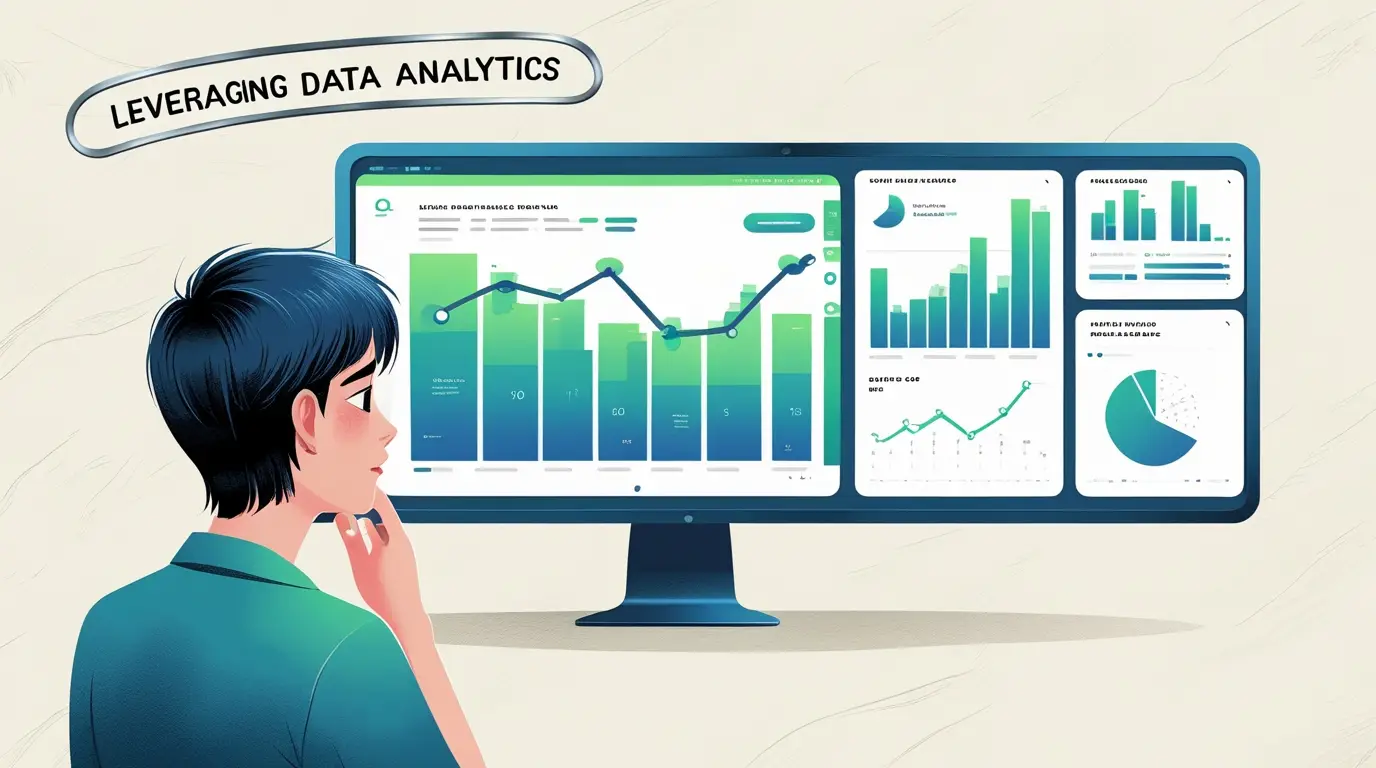
Leveraging Data Analytics to Track Your Book Performance

Book publishing of today is not as simple as writing a book and publishing it and forgetting about everything associated with the book.

If you want to be a successful author in this day and age then you need to do a little bit more than just writing and publishing the book.

You need to utilise data to your advantage in order to understand the performance of the book in the market and make changes accordingly.

So in this blog, we are going to understand everything about data analytics in publishing starting with why data analytics matter in publishing. We will then move on to all the most important metrics to track book publishing performance.

So, let us look at why data analytics matter in publishing.

Why Data Analytics Matters in Publishing

Book Data Analytics

To Identify the Buyers

The very first reason why data analytics matter is simply for the purpose of identifying who is buying the book and this includes identification of the demographic percentage of book sales based on categories like man, woman, child, national origin, age etc. This data can then be utilised for further marketing purposes.

Understanding the Locations of Sale

The second purpose of data analytics is to understand when and where the book is being sold.  A book can be sold online and offline. There are classifications under online such as the primary website of the publisher as well as other eCommerce places and there are further classifications under offline as well.

Studying The Impact of Marketing

Data analytics is going to help the author understand the effectiveness of their marketing campaigns so that the impact of marketing can be studied and even changed so as to bring even more favourable results for book sales.

Optimizing Pricing and Distribution

Data is one of the most powerful tools you can ever have as an author in order to understand the market and also understand pricing and distribution and study your competitors with the help of data instead of turning to guesswork. This will then help you price your book in the best way possible so that you can expect the best kind of sales.

Improve Future Book Launches

Of course, data can be utilised for the future as well because data collected for the present book can be utilised to formulate an entire publishing strategy for any future book release and it is also going to be much more effective.

Key Metrics to Track Book Performance

Track Book Performance

Sales Data

One of the most important metrics you should collect and track in order to analyse data effectively is definitely going to be sales data in the form of books sold and revenue generated.  In addition to that you should also collect data in the form of refund rates etc. The more data you have, the better of a position you will be.

Read-Through Rates (for eBooks and Subscriptions)

If you are publishing in the form of any book or subscriptions then you can also track how many pages are being read on average as well as if the readers are completing the book or even points in the book where they are losing interest. This will give you a lot of helpful data that will even help you in composing your next book.

Reviews and Ratings

Another point of data that you simply cannot ignore is going to be reviews and ratings as this can include ratings on eCommerce platforms such as Amazon. When it comes to ratings you can track everything from the average rating to the number of reviews as well as what is being written in those reviews and the sentiment analysis of those reviews with the help of keywords.

Website and Landing Page Analytics

If you are conducting book sales or marketing campaigns from your website then you get to analyse an additional set of data in the form of website visits as well as page views and even the bounds rate and time on the page of potential buyers. You can also analyse the conversion rate of the visitors on the page if they decide to make a purchase.

Social Media and Engagement Metrics

Additionally, you must not ignore social media data in the form of engagement through likes and shares as well as comments. You can also analyse data in the form of referral traffic on your sales page and even influencer mentions or hashtags of your book.

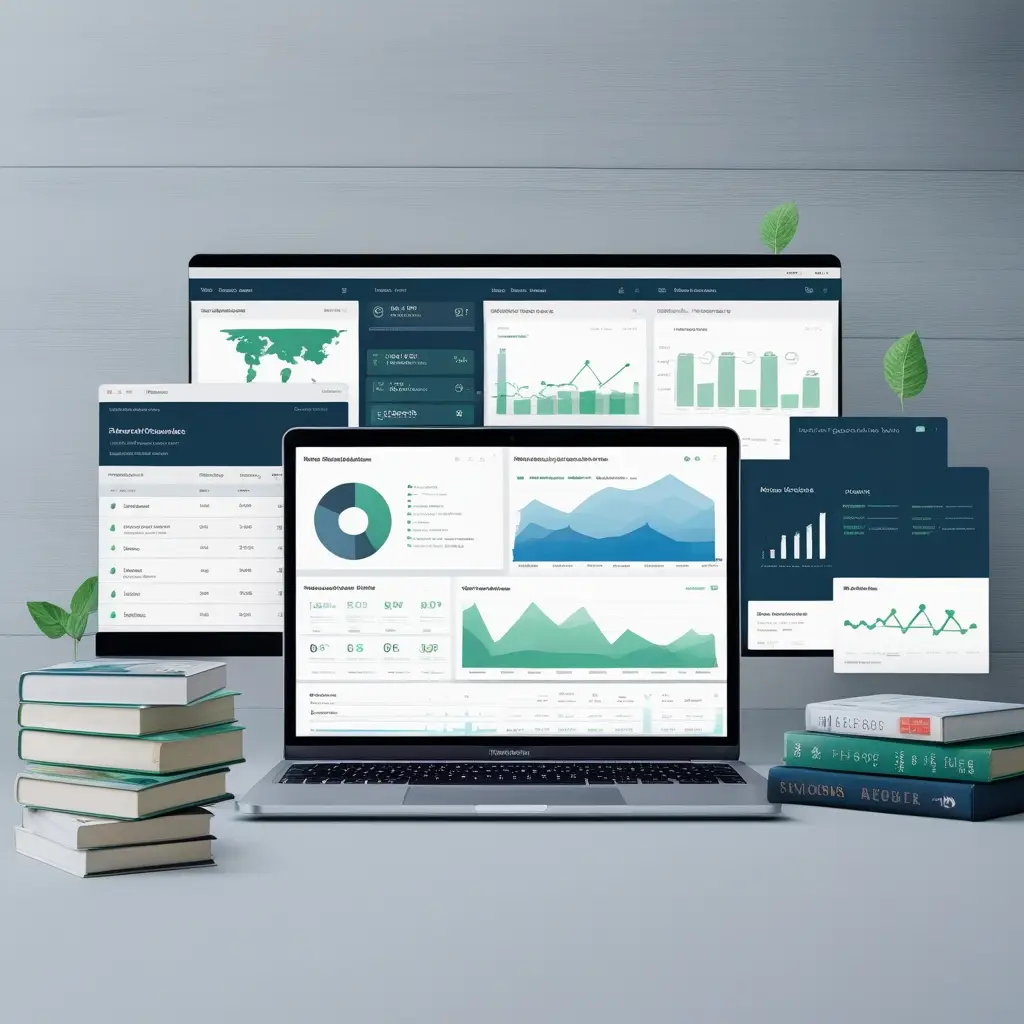
Tools and Platforms for Book Data Analytics

Platforms for Book Data Analytics

Amazon Author Central

In order to track sales rank as well as customer reviews and reader insights.

Kindle Direct Publishing (KDP) Reports

In order to track and monitor sales and royalties as well as read-through rates.

Book Report

Visual dashboard for KDP data analysis.

Google Analytics

Utilised to track website traffic and reader behaviour.

Mailchimp / Sendinblue / ConvertKit

In order to track email campaign performance in the case of email marketing.

Social Listening Tools (Hootsuite, Brand24)

Utilized for tracking and monitoring book mentions and engagement on social media.

What To Do with Data Analytics for Your Book?

Data Analytics for Your Book

Refine Target Audience

You can analyse the data you have accumulated in order to understand what your actual target audience is and should be and if you are actually targeting them and you can utilise this information in order to make any changes you want.

Optimize Advertising

Sales and engagement data can be analysed in order to understand if your marketing campaigns are effective enough or if they need some kind of optimisation in order for them to be much more effective. This can help to allocate budgets for far more effective marketing campaigns through advertising.

Tweak Book Descriptions and Covers

You can utilise sales data in order to study page views and find out if the book covers and descriptions might be an issue and you can utilise this data in order to make changes to the book cover or descriptions and see if that is making a difference. This is easier to do if you are planning on an exclusive ebook release and not a physical release.

Plan Strategic Launches

Sales data can be utilised to identify the best time for book launches and also for planning special discounts and offers for special occasions such as holidays and summer breaks and much more.

When you have data in your hands you can then utilise that data in order to optimise existing marketing campaigns and existing plans of action in order to improve the performance of book sales.

If you know how to analyse data then you can even utilise that for predictive analytics in order to predict events beforehand.

We hope this blog has helped you understand how important data analytics is to being a successful author in this day and age because just publishing your book is not enough and just pouring money into the marketing budget is also not enough.

That is why if you are looking for a legacy publishing company that understands and utilises data analytics in order to help you with book performance tracking then we are here for you.

We are Orange Publishers and we are one of the most renowned book publishing companies in the industry to bring you the convenience of self-publishing and the reliability of traditional publishing all under a single roof and name.

We can help you with the entire publishing process right from manuscript formatting to book cover design and printing as well as publishing and even book promotions. We also take care of data analytics for tracking book performance as well.

We welcome you to visit our website and check out everything we do.

Overcoming Rejection: How to Stay Motivated in the Face of Publishing Setbacks

The publishing journey is not for the faint-hearted because rejection is very much a part of the journey of any author.

Rejection is even more apparent if you are just starting out as a new writer without any kind of network in the industry.

In a situation like that, it is quite difficult to stay motivated because almost all your work is going to get rejected by traditional publishers unless it is the holy grail of a masterpiece that by luck was on the chief editor’s desk by mistake.

So, what do you do? Do you leave writing, something you are skilled and passionate in and continue your day job or do you find out a strategy to overcome publishing rejection?

We will help you understand how you can stop yourself from getting demotivated so that you can move ahead on this publishing journey and finally strike gold.

Before we do that, we need to understand the reasons why a first-time author or any author can get rejected by traditional publishers.

Reasons Why Authors Get Rejected by Publishers

Why Authors Get Rejected by Publishers

Unpolished Manuscript

The very first reason why authors get rejected by publishers is because of an unpolished manuscript which means that the manuscript has not been edited properly and that it lacks refinement.

This can be due to unprofessional editing as well as unprofessional format setting which will only make it more difficult for the publisher to review the document.

You must understand that every publisher receives hundreds of manuscripts daily and that is why if one stands out for bad editing then it gets rejected because it reduces the work of the publisher to sort out everything.

Wrong Channel of Submission

Publishers are all about discipline and procedure because they are ultimately a business and they need to process a lot of content in a very small amount of time and that is why they have a set process in place.

If you disregard that process and submit a manuscript on a sales email ID of the publisher or submit the manuscript with the wrong subject and wrong title then it might have grounds for rejection.

One of the other reasons why it might get rejected because of this is because most publishers utilise automated software that sorts out spam emails from authentic submissions and has certain criteria which if not met will be rejected.

Lack of Market Potential

An author can be very passionate about their work and they can pour out their soul into a work but for a publisher it is still business and a manuscript is still a product that they need to sell in order to stay in business.

This means that certain topics of writing are more desirable in the market on a particular season which means that a season of the publishing market might see horror as the most popular genre and other seasons might see romance as the most popular category.

What this ultimately means is that publishers will have a much stronger preference for that genre during that period of time and if you write something else then it will by default get sorted to the bottom of the pile.

Unoriginal Concept

Your manuscript will get outright rejected if it is an unoriginal concept or if a certain percentage of the manuscript feels like it has been copied from the works of other authors.

Weak Query Letter

Another very important reason for rejection is going to be a poorly written query letter because this is ultimately the letter that will convince the publishers to read more.

There is a certain technique and certain factors involved in writing this kind of letter for it to be even considered by the publishers and if you do not follow that or study that pattern then your manuscript might have a high chance of rejection.

Strategies to Overcome Publishing Rejection

Strategies to Overcome Publishing Rejection

Reframe Rejection as Feedback

The best strategy you can ever think of is to not get demotivated by publishing rejection but to understand it as a learning opportunity.

If you get the chance then you need to ask the publishing company to simply tell you why it was rejected and you might not get an answer for it but if you do that will be the most valuable feedback you will ever get as an author.

You can also show your rejected manuscript to other people who have tried to publish and they might also provide you with important feedback.

You must always equate rejection to a learning opportunity because it is.

Keep Submitting and Stay Persistent

The second effective strategy to overcome publishing rejection is to never have the time to think about that reaction.

You can do that by continuously being persistent and continuing to submit to other publishers and looking for other agents and also looking for other kinds of opportunities.

This will include trying out co-authoring other projects and working on something new because if you are busy then rejection will simply not be on your mind.

Find Support in Writing Communities

Another very important thing you can do is to find a writing community because yes these kinds of communities exist and they are here to help you with understanding how publishing works.

These support groups can meet up physically or even online and you can attend them and listen to other more experienced people.

Explore Different Publishing Options

This is probably the best strategy out there and it is to simply explore other publishing options and by that we mean looking for something called self-publishing.

The problem with traditional publishing is that you do not have any power in your hands as an author and the publisher gets to decide everything for themselves.

With self-publishing, you essentially become the publisher and the self-publisher becomes a service-providing company to help you out in your publishing journey.

When it comes to self-publishing or even a hybrid publishing model you can expect excellent opportunities to take complete control of your publishing journey.

CONCLUSION

We hope this blog has helped you understand how you can deal with rejection as an author and if you do not want to go through rejection and take matters into your own hands and lead your publishing journey then we are here for you.

We are Orange Publishers and we are the fastest-growing self-publishing company in the industry and we will help you out with all your publishing needs.

We welcome you to visit our website and check out everything we do.

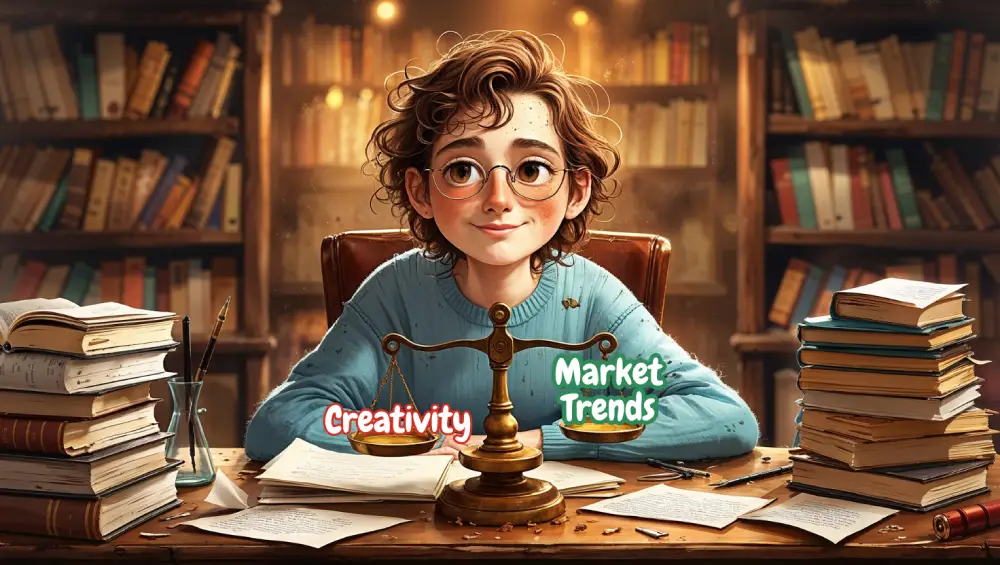
How Authors Balance Creativity and Market Trends

Welcome to today’s blog where we are going to talk about one of the biggest dilemmas faced by authors all over the world.

We are of course talking about the dilemma of what to prioritise when writing something when the choices are creativity and market trends.

Both creativity and market trends are equally important because both of them are so very necessary for writing something remarkable.

This is because when you are writing something you need to tap into your inner creativity and that is where you can produce something magical but then again you also need to understand market trends because it does not really matter how good you write if the topic is not trendy.

So, what do you choose?

We are going to find that out in this blog.

We are not going to make you choose one over the other because we are going to help you understand how authors can balance creativity and market trends equally so that they can benefit from both of these important elements of writing.

So, let’s get into it.

Understanding Creativity and Market Trends for Authors

What is Creativity for an Author?

Market Trends for Authors

Creativity is everything for an author and it signifies multiple qualities all put together so that they can express themselves and utilise that imagination.

Being creative is all about using your imagination and channelling it into emotions and ideas while maintaining a few things. Theser include:

Originality:

In order for creativity to flow it should involve originality and the utilisation of imagination for crafting new stories and characters and different worlds.

Personal Voice:

It should be unique to the author and the author must have a very personal voice they have developed themselves and a writing style that stands out as original and their own.

Emotional Depth:

In order for creativity to flow the author must have emotional depth and must be willing to connect with their readers through emotions.

Experimentation:

Creativity ultimately is all about experimentation because when you are being creative you are creating something new which is naturally breaking conventions in structure and theme as well as narrative techniques.

What are Market Trends for Authors?

Market Trends for Authors

Market trends are completely different from creativity because creativity is something very personal and unique to an author but market trends are the evolving preferences of readers and the publishing industry.

Market trends are just what’s in popularity at the moment which can be a certain type of book or a certain type of genre that is experiencing commercial success and popularity. Market trends can be regarding:

Popular Genres:

Market trends can include certain genres that are currently popular in the market because they are seeing better commercial success than other ones. For example, romance might be more popular than fantasy at some point in time.

Trending Themes:

These market trends might also include trending themes such as themes related to climate, mental health or even other societal issues.

Writing Styles:

Some writing styles might also be in the trend at a certain point in time as some readers might prefer writing styles with different types of storytelling such as short chapters or fast storytelling.

Book Formats:

And finally, we have book formats as this is one of the most common things to go in and out of trend and we are talking about the different book formats such as audiobooks or eBooks or even serialised online fiction and other kinds of books.

So, How Do Authors Balance Creativity and Market Trends?

Balance Creativity and Market Trends

Researching Market Trends Without Losing Originality

If your goal is to balance creativity with market trends then the preferred thing you need to do is to understand the market and one way to do it is to study and analyse all the books that are doing good in your genre.

This will give you a baseline idea about what works. You can then use that idea according to your needs and balance it up with your originality and creativity.


Finding the Overlap Between Passion and Market Demand

You need to understand that if you completely try to follow market trends then you are going to sacrifice creativity and vice versa.

That is why you should not start with a blank slate and completely go the creative way because doing that will mean you are taking market risks.

Instead, you need to understand where market demand and passion overlap so that you can identify themes that are working in the market and write your book with the inclusion of those themes.

Innovating Within Popular Genres

Being creative does not mean you need to sacrifice market trends because you can pick up any popular genre and write it according to your creativity and originality.

You just need to find out what is working in the market and not completely copy your competitor but simply get inspired by things that have a higher probability of success.

You can then utilise those ideas according to your vision of the book. You can try out experimenting with different structures and styles and all we are saying is that you should not completely rely on guesswork for market success and follow market trends.

Adapting to Reader Preferences Without Compromising Integrity

As an author, you need to understand that you are not writing for yourself so that you can read it alone, you are writing for someone else and that would be your readers.

That is why understanding market trends is not only about understanding what will work commercially but it is also looking into the preferences of your readers.

You can do that through feedback and try evolving your style to something your readers like without completely going for market trends or reader preferences.

Choosing the Right Publishing Format

And finally, the best way to balance creativity and market trends without sacrificing a lot on creativity is to simply look at the market trends related to the book formats that are popular.

At the moment ebooks and audiobooks are very popular across markets all over the world which means that if an author studies this pattern and decides to publish an audiobook then it will be following market trends without sacrificing on creativity.

It is all a matter of what you decide to do and how much of a balance you want to maintain. That is why if you are looking for some guidance related to this or assistance in publishing your masterpiece then we are here for you.

We are Orange Publishers and we are one of the most renowned legacy publishing companies that brings you the convenience of self-publishing with the reliability of traditional publishing all into convenient publishing packages.

We will help you with every step of the publishing process and we welcome you to visit our website and check out everything we do.


How to Get Your Book into Bookstores and Libraries

One of the biggest achievements that any author can hope to accomplish is to have their books in a bookstore or a library.

However, doing that is a bit of a challenge because not every bookstore and library is going to accept your published book and there are a few things you need to do in order to ensure that they do.

This blog aims to talk about all those important factors that determine if your book ends up in a library or a bookstore.

We will look at what are the important things bookstores and libraries look for and also understand why authors need to have their books over there.

Understanding these will make sure you learn how you can make sure your book ends up in the library or bookstore.  So let’s get started.

Why Do Authors Wish to Have Their Books in Bookstores and Libraries?

Books in Bookstores and Libraries

Prestige

Having your books in establishments like bookstores and especially libraries is a sign of accomplishment and legitimacy in the publishing world.

This is because there are millions of books out there but not every one of them make it to libraries or bookstores where it is seen, bought, read and studied by future generations.

That means if your book has ended up in a library or bookstore then it is actually providing some value to the readers out there.

Readership

The second reason why every author wants their book to be in bookstores and libraries is that it is one of the best kinds of marketing tools out there.

Having your book in a library is free marketing for the duration of the book.

Similarly, if your book is displayed in a bookstore then it is going to act as a marketing tool for the book for the remainder of its stay in the store thereby helping with promotion.

What Do Bookstores and Libraries Look For?

What Do Bookstores and Libraries Look For

Library

Good Reviews

One of the most important things a library looks for is going to be good reviews because reviews are one of the easiest ways to determine the quality of a book.

These reviews do not necessarily have to be the best kind of reviews possible for that book and no one is looking for the best kind of reviews.

The reviews should just say that the book is going to fulfil the purpose the library is looking for.

Necessary Identifiers

Just like ISBN (International Standard Book Number) libraries have different identifiers that help librarians categorise books into different sections.

These identifiers can signify what kind of book it is and also who controls the different licences related to the book and all of those formalities should be in perfect order if you ever want your book to reach the library.

If you have issues with your barcode or catalogue number or even issue number and things like that that can get flagged in a universal library system then you can count your book as rejected because libraries do not take any chances when it comes to legitimacy.

Professional Look

Apart from that the book should look the part because if the book does not look professional with a good book cover as well as a clear title and cover art that is appropriate for the library then the library will simply reject the book.

If you especially want your book to be in public libraries then you should make sure that all the technicalities related to the book are alright so that the book feels very professional and well put together in hand.

You can have the best content inside the book but if you do not have something to represent that content in the form of a good book cover and exterior then libraries will not come close to that book.

Topical Relevance

The most important reason of them all is going to be topical relevance because libraries only have a very limited number of spaces when it comes to books.

That is why a library will look for books of different categories rather than having the same kind of book for a single category.

This means that if the library already has books in the same genre your book is from then the chances of your book being accepted in the library is low.

But if your book is unique and influential then libraries would love to have a copy of the book. That is why if you want to improve your chances of getting accepted by libraries then make sure the topic is unique.

Bookstore

Demand and Relevance

The acceptability of libraries and bookstores are quite similar in the sense that bookstores are only going to pick up books that are very relevant to society.

This means that a bookstore is not going to pick up a book that has no traction or demand in the market and it is only going to pick up something that already has well-established demand.

You need to understand that a bookstore is a business and it is only going to pick up something that is going to sell and a good indication of that would be market and demand.

Good Pricing and Deal

The second very important factor to having your books in a bookstore is going to be good pricing and deals. If you work with your publishers and distributors to provide a very attractive deal to the bookstore then they will be much more inclined to keep your book.

You can do that in multiple ways because you can directly sell the books to them or you can even go into an agreement whereby the bookstore keeps the book on display for selling it but can also return unsold copies to you.

Whatever you do you must make sure the deal is attractive and the prices are low in order for bookstores to accept your book.

Solid Track Record Of Sales

The easiest way to have your book accepted by a bookstore is to have a solid track record of sales. If you can show the bookstore that your book is performing well online on platforms such as Amazon and offline in other stores then bookstores will jump on the occasion to keep your book.

If you can especially show the bookstore that your book is performing well in the bookstores of their competitors then it will become an even bigger catalyst for bookstores to have your book. It all depends on sales and the guarantee of sale.

Conclusion

  • Libraries are going to pick up a book that is relevant and also that fulfils a gap in the collection and also something that provides actual value to their readers.
  • A bookstore will do all of that with additional points of good pricing and a good track record of sales.

You do not really have anything in your hands when it comes to these establishments picking up your book. What you can do is create an amazing book in the first place.

That is where we can help you because we are Orange Publishers, we will help you with the entire publishing process.

We ensure the best of both worlds when it comes to traditional publishing as well as self-publishing as we offer the reliability of traditional publishing along with the convenience of self-publishing all into some of the most convenient publishing packages in the industry.

We welcome you to visit our website and check out everything we do.